


Have you ever found yourself staring at your screen at 11 p.m., eyes blurry from exhaustion, with a deadline breathing down your neck and countless unfinished design tasks? This all-too-familiar scene feels like a comedy script, yet it’s the reality for many designers. No matter how talented you are, deadlines can drain your energy and scatter your focus among endless ideas. For many, this cycle leads to burnout and discouragement.
Design isn’t just about making things look good—it’s about orchestrating a smart workflow. This article doesn’t teach you design skills; instead, it shares practical ways to help you stay resilient and thrive in this profession.
“Creativity is intelligence having fun.” – Albert Einstein
Know Yourself – Then Add 20%
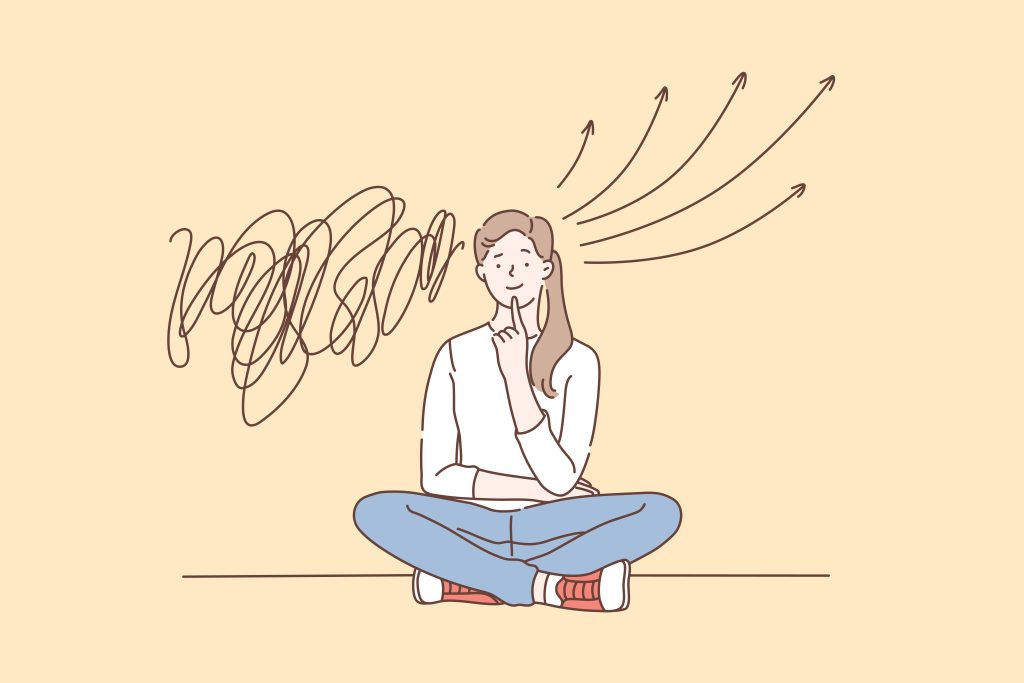
In creative work, we often misjudge how much time a task really takes. You may think something will take 5 hours, but in reality, it might stretch to 6 or 7. The first step is to track your actual workflow: how long you spend sketching, refining, finalizing details, and exporting files. Once you know your rhythm, add about 20% extra time for the final step: reviewing with fresh eyes. This is when unnoticed mistakes surface, and new ideas may emerge.
Example: If you estimate a poster will take 8 hours, budget an extra 1–2 hours for a thorough review. This buffer keeps you from rushing the deadline and reduces errors. At the same time, setting honest timelines with clients helps you manage your pace and maintain mental balance.
- Track actual working time for each stage.
- Add a 20% buffer for reviewing and polishing.
- Set realistic deadlines and communicate clearly with clients.
Task Boards Aren’t Just for Office Workers
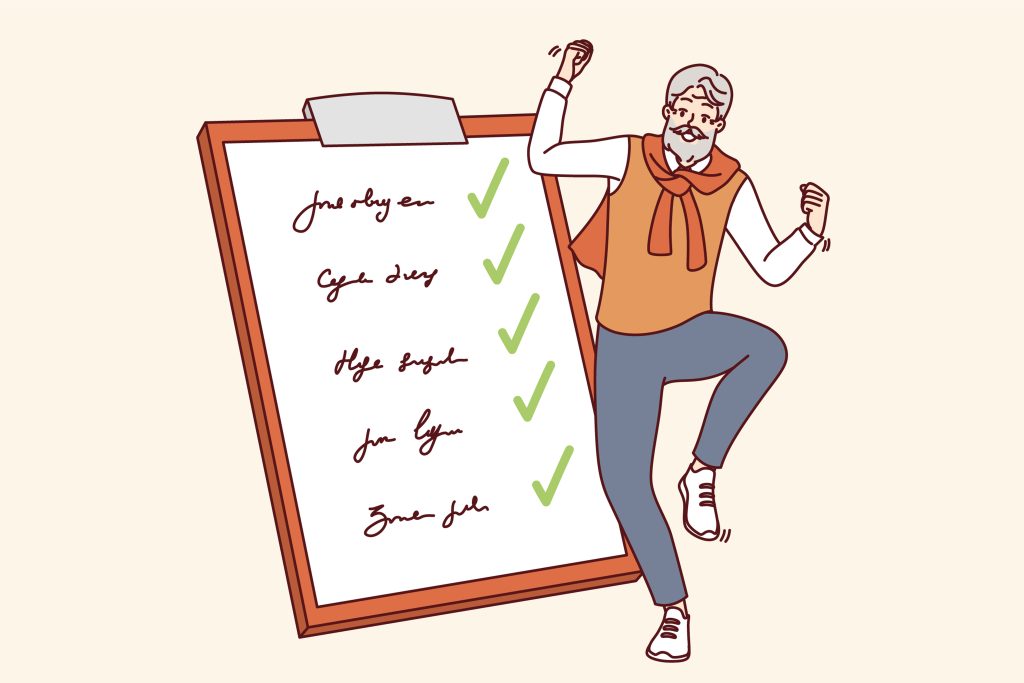
“A designer without a task list is like drawing in the dark.” Without structure, your day can quickly spiral into chaos. Designers aren’t just tool users—they’re also their own project managers. Every project involves multiple steps: research, sketching, refining, submission, and feedback. Without clear planning, it’s easy to miss tasks or lose sight of priorities.
Creating a task list and a simple status board will help immensely. For example, spend time at the start of the week to list your priorities and sequence them. This foresight keeps distractions away and helps you work with focus.
- Make a task list detailing daily/weekly assignments.
- Track progress using a Kanban board (To Do – Doing – Done).
- Update consistently—for solo work and even more for teams.
When You’re Free, Don’t Draw More – Look Elsewhere
“Bury yourself in one field, and you’ll dig a hole you can’t escape.” Focusing only on one design type quickly drains your perspective. Imagine designing app interfaces every single day—over time, all you’ll see are wireframes and buttons. Creativity thrives when given space to recharge.
That’s why, when you have downtime, explore other fields:
- Healthcare design: study how hospital apps use colors and icons.
- Interior & product design: observe how space, shapes, and materials interact.
- Packaging & branding: discover how brands play with logos, typography, and palettes.
Each field offers “branches and chairs” you can bring back to your creative playground. These fresh perspectives enrich your design vocabulary and make your work stand out.
Conclusion
In the end, lasting in design requires more than talent—it calls for smart ways of working. Start by estimating time realistically with built-in buffers, manage progress with a clear task board, and expand your vision by drawing inspiration from diverse fields.
“A designer is not a craftsman—but a storyteller through images.”